How can we as innovators reimagine learning spaces in the Fuller Meadow Courtyard?
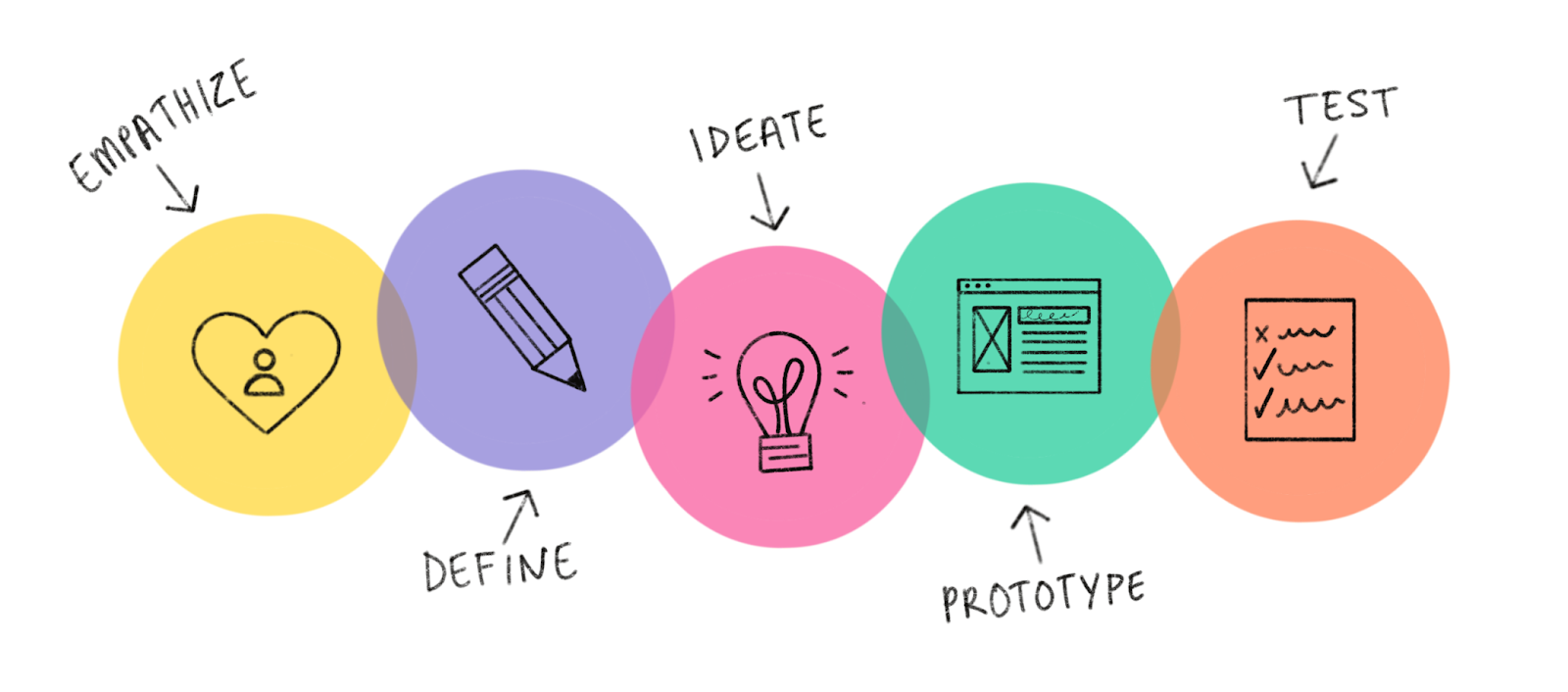 |
| Design Thinking Process |
Entry Event -
Students and teachers had a discussion about innovators and innovation. We asked the students, "What makes someone an innovator?" Then, we showed them this video to spark some ideas for innovation. After the video, they began to make connections about how we can be innovators.
Next, we took the students out into the Fuller Meadow courtyard to find problems with learning in different areas.

Students explored and investigated the Fuller Meadow courtyard for whole class learning, listening to nature, and finding something human made and something made in nature. Click HERE for the drawing sheet.

Listing Problems in our Courtyard
Using their drawings from the previous day, students met with other students in the class to share what they found in the courtyard.

We created a slideshow to ask the students to identify the problems in the different areas of the courtyard. Click HERE for the slideshow.
We then made a list of problems in each area. Click HERE for the list.
Looking at our space
After more discussions about what innovators do, we explored our courtyard from several different angles. Ms. Clemenzi gave each student a birds-eye view of our courtyard from Google Maps. Students labeled each area of our courtyard and shared how they would improve the areas. Each class chose an area that they would like to reimagine. Students were given a sheet to draw their ideas for changing the area. Click the links below to see the drawing sheet.

Student generated questions and research - Hearing from the experts
Former Middleton teacher, senior volunteer and gardening extraordinaire, Mary Pelrine, shared her expertise in gardening with our students. She shared pictures and information about her own home garden as well as the Fuller Meadow garden. Innovation teacher Susan O'Neill shared her knowledge of animal habitats and needs in our New England natural environment. The students had the opportunity to ask questions and do some more research about ponds, habitats and learning space needs. Click HERE for gardening slideshow.

Designing Plans - Ideate
Students will work in their groups to draw their plans. They will focus on the following areas -
- Seating
- Paths
- Entryways
- Teaching area
- Safety
- What can we learn in this area?

Building- Prototype
Once the students finalized their drawings, it was time to build their prototype. Students worked in groups to create their learning space. Some classes created a large scale model on a board for their area, and some groups created a prototype for learning habitats and learning spaces.
 |
| Mrs. Moss' class- Whole class learning space |
 |
| Mrs. Thomson's class - Science Center |
 |
| Mrs. Balfe's class - Zen Zone |
 |
| Mrs. Higgins' class - Garden |

 |
| Mrs. Scharffenberg's class - Outdoor Learning Spaces |
 |
| Ms. Foden's class - Pond |
Ms. Teixeira's Class - Litter control
A big part of a project based lesson is to have input from experts and receive authentic feedback. We were so lucky to have Mr. Sam, Mrs. Nicholls, Mrs. Pelrine, Mrs. Marshall, Mrs. Balfe, and the Middleton School Committee to help us.

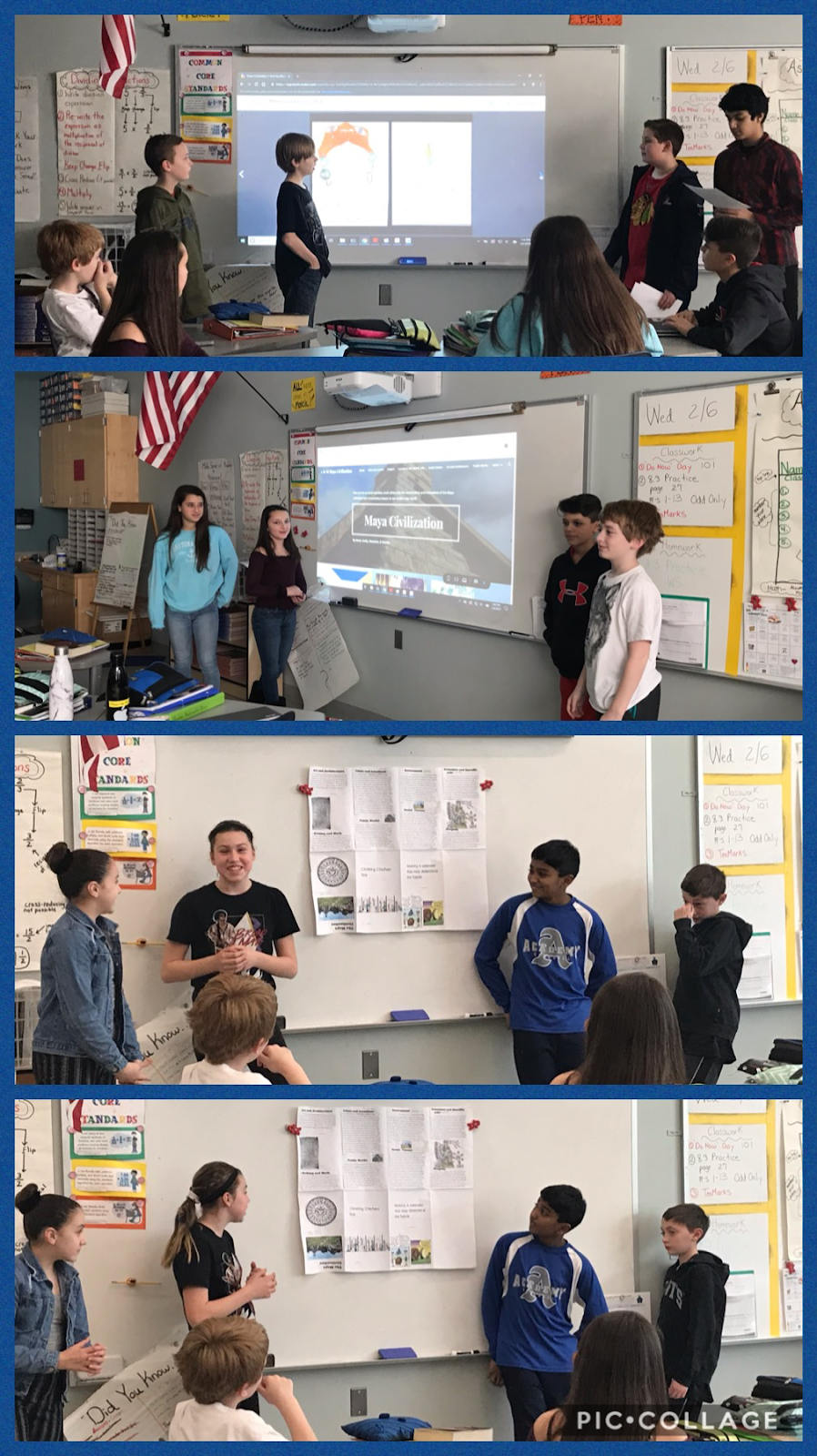
Presenting to the Middleton School Committee
Some students from the first grade had the opportunity to present to members of the school committee as well as parents and Middleton principals. They did an amazing job representing their classes in presenting their projects. They were asked to share their experiences and what they liked most about the project.

Our students answered the following "Driving Question" in this Project Based Lesson -
How can we as innovators reimagine learning spaces in the Fuller Meadow Courtyard?
Project Based Learning (PBL) is an instructional
methodology that encourages students to learn and apply knowledge and skills
through an engaging experience. PBL presents opportunities for deeper learning
in-context and for the development of important skills tied to college and
career readiness. (Source)
Next Generation Science and Engineering
Standards
1.K-2-ETS1-1. Ask
questions, make observations, and gather information about a situation people
want to change that can be solved by developing or improving an object or
tool.
1.K-2-ETS1-2. Generate
multiple solutions to a design problem and make a drawing (plan) to represent
one or more of the solutions.
We are innovators!